Bad news for the Bank of England as IEA director says oil disruption will be 'biggest in history'
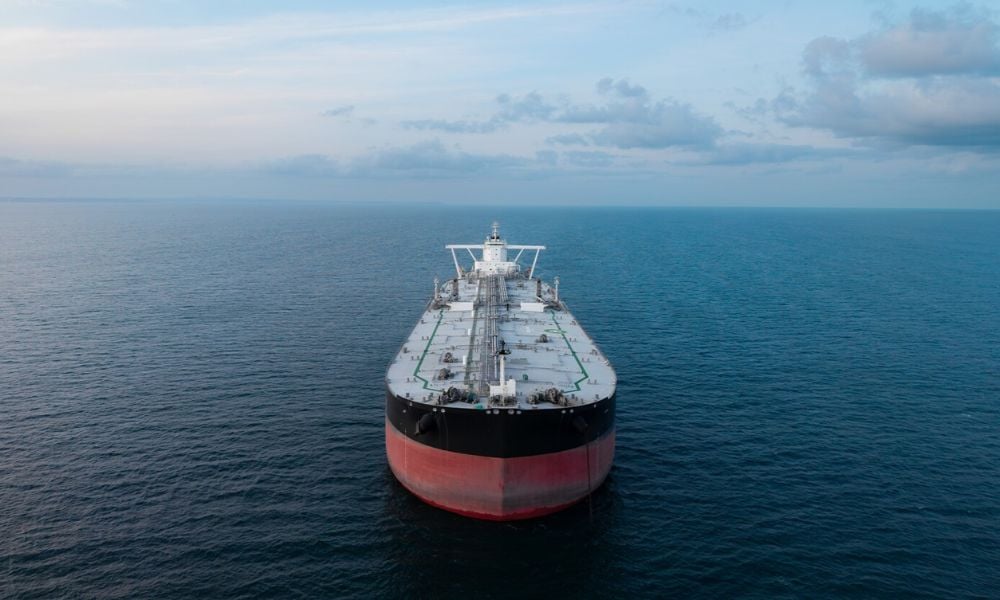
The ongoing war in Iran has already sent oil prices skyrocketing and heightened fears of a surge in UK inflation – and the crisis is likely to worsen sharply in April, according to the International Energy Agency’s executive director.
Fatih Birol, speaking on the “In Good Company” podcast, warned that global oil supply looked set to tighten even further this month, potentially driving prices higher and putting more pressure on the UK economy.
That would mark grim news for the Bank of England, with a potential inflation uptick likely to strengthen expectations of interest rate hikes in the months ahead.
“The next month, April, will be much worse than March,” Birol said. “The loss of oil in April will be twice the loss of oil in March. It will come through to inflation. I think it will cut economic growth in many countries, especially emerging economies. In many countries, the rationing of energy may be coming soon.”
Oil prices inched lower on Wednesday amid suggestions by Donald Trump that Iran wanted to discuss a ceasefire, but the energy crisis – which Birol said is already the worst in history – is showing no signs of slowing.
The prospect of an inflation spike due to higher oil prices has already seen the mortgage industry brace for Bank of England hikes this year. Just 20% of respondents to a recent Mortgage Introducer poll believe the central bank won’t raise rates in 2026, with 38% of respondents expecting two increases.
The BoE held rates steady at 3.75% in its last decision in March, opting against a move as it weighed up a choppy economic outlook.
Higher oil prices would stoke fears of inflation being inflamed even more – and they could also cause a further shock to the British economy in the months ahead.
An Organisation for Economic Co-operation and Development (OECD) report last week trimmed expectations for UK growth this year to 0.7% and highlighted that the British economy would be more vulnerable to a protracted conflict in the Middle East than any other major economy.
That’s because Britain is heavily reliant on imported fuel and especially sensitive to swings in energy prices, meaning a further jump in oil prices could have an outsized impact on the growth outlook.
Birol said the IEA was considering releasing another batch of its strategic oil reserves to address the ongoing supply chain snarl caused by Iran’s closure of the Strait of Hormuz, but stressed that it would offer only slight short-term relief.
“This is only helping to reduce the pain. It will not be a cure,” he said. “The cure is opening up the Strait of Hormuz. We are gaining some time, but I don’t claim that this will be a solution, our stock release.”
Want to be regularly updated with mortgage news and features? Get exclusive interviews, breaking news, and industry events in your inbox – subscribe to our FREE daily newsletter. You can also follow us on Facebook, X (formerly Twitter), and LinkedIn.